Discovering the Diversity of Coffee Types
Brew is not just your morning ritual; it’s an intricate universe of notes, scents, and varieties to be uncovered. Among the many factors that affect the characteristics of your coffee, the type of coffee beans used is essential. From the smooth and mellow notes of Arabica to the strong kick of deep roast coffee, understanding the diversity of coffee beans can elevate your enjoyment for this cherished beverage.
The quest to discovering the best coffee often starts by choosing the right beans. Different regions yield special coffee selections, each with distinctive tastes defined by environment, height, and growing techniques. Whether you are seeking the ultimate coffee experience or merely want a delightful coffee to enjoy at home, studying arabica newly roasted varieties, and the best beans for coffee can change your drinking experience. Join us as we delve into the fascinating variety of coffee beans, exploring what makes each type special and how to find the freshest options to ignite your enthusiasm for java.
Types of Coffee Beans
There are four main varieties of coffee beans which control the market. The most widespread are arabica and robusta. Arabica beans are known for their sugar-like, smooth flavor and are frequently considered the best coffee beans for their high quality and aromatic qualities. They flourish at elevated altitudes and are vulnerable to climate changes. This makes arabica coffee more difficult to produce, which lends to its luxury status.
Robusta beans, on the flip side, are more resilient and easier to cultivate, making them a more affordable choice. They have a bolder, strong flavor and have greater caffeine levels compared to Arabica. This variety of coffee is often used in espresso mixtures and instant coffee because of its intensity and crema-enhancing characteristics. Consumers desiring for stronger coffee might opt for blends that contain Robusta for an additional kick.
In besides these two primary types, there are also uncommon varieties such as liberica and Excelsa. Liberica beans are one-of-a-kind, offering an atypical flavor profile with floral and fruity notes. Excelsa beans, which are a type of Liberica, add richness and nuance to blends. Exploring these different coffee beans can lead enthusiasts to discover some of the best coffee in the world, demonstrating the rich variety that the coffee landscape has to provide.
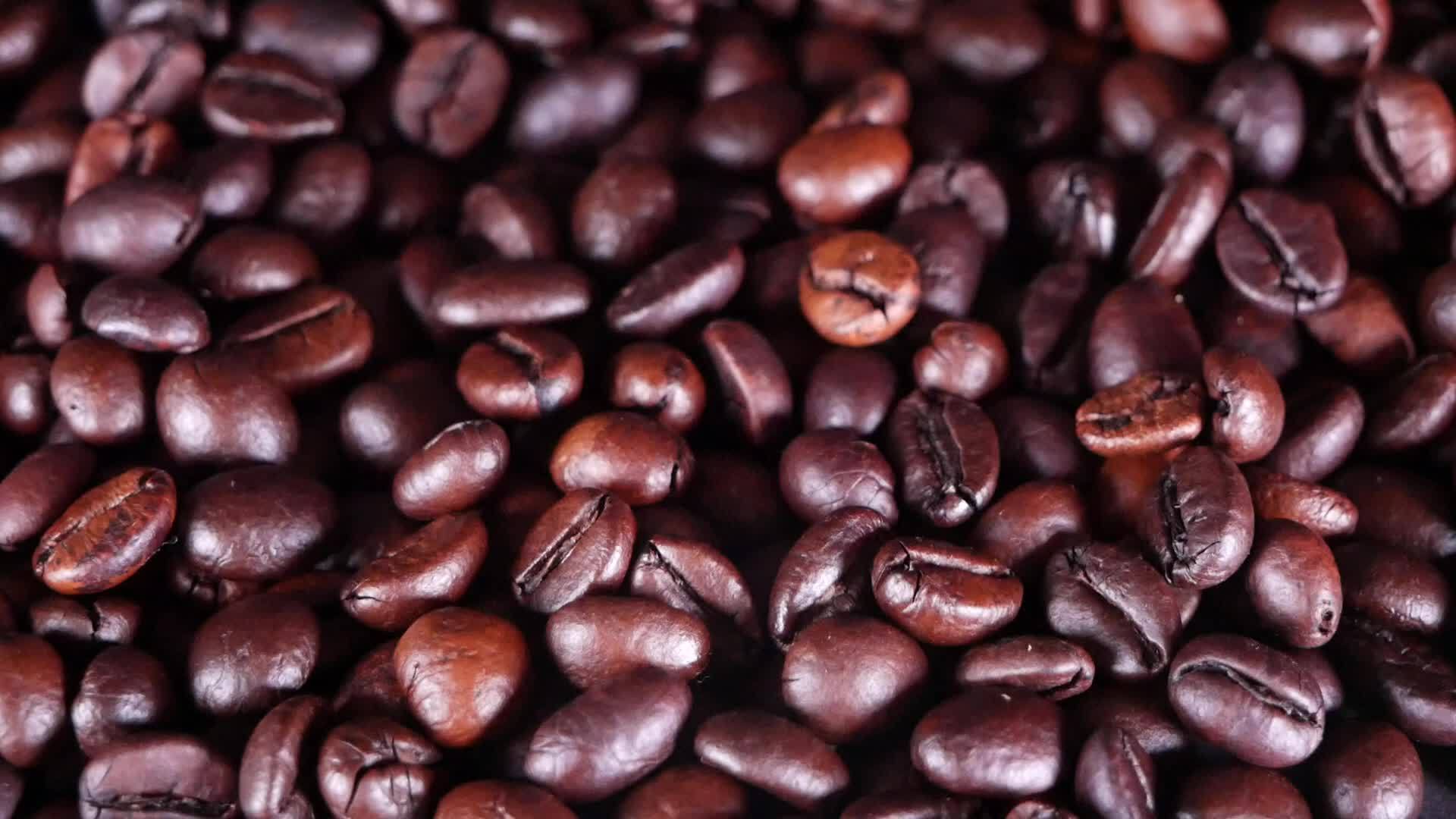
Selecting the Best Coffee
Deciding on the top coffee begins with comprehending the various types of coffee beans that exist. Among get more info are Arabica and Robusta, each delivering divergent flavors and characteristics. Arabica beans are known for their smooth, complex flavor characteristics, typically showcasing fruity and floral notes, which makes them a popular pick for artisan brews. Robusta, conversely, has a stronger, bittersweet taste and elevated caffeine content, commonly employed in espresso blends. When picking coffee beans, consider which flavor and mouthfeel suit your preferences.
Once you have settled on the type of bean, the freshness of the beans becomes a critical factor in the grade of the coffee. Recently roasted coffee beans can elevate your brewing ritual. Look for coffee companies that sell newly roasted coffee options, as aged beans may lose out on their flavor and aroma. Preferably, buy coffee beans that have a roast date on the label, permitting you to pick the freshest option. This attention to detail guarantees that the coffee you brew will deliver an extraordinary cup every time.
At last, investigating various roast profiles can help you identify your favorite taste. Lightly roast coffee tends to have lively acidity and subtle flavors, while Darkly roasted offers a strong, rich flavor with profound chocolate or caramel notes. Experimenting with various roast grades can reveal the finest coffee beans in the world for your personal taste. Regardless of whether seeking the cheapest coffee or the top-rated coffee, the key is to try and savor the diversity of selections accessible in the domain of coffee beans.
Making Quality Brew
Crafting fresh java is an experience that highlights the individual profiles of coffee beans. The process begins with choosing the best beans, which usually are arabica coffee beans known for their robust and creamy taste. Whether you choose for light roast coffee, the quality of your coffee plays a crucial part. For an exceptional cup, try using newly roasted beans, as they tend to have richer tastes and aromas compared to ground coffee.
To brew the optimal java, begin by weighing your coffee beans correctly. Using the right ratio of coffee to water ensures a harmonious cup. A regular guideline is two tbsp of grounds for each 6 oz of water. Milling your fresh beans just before preparing improves the flavor, as milled coffee begins to expire its freshness quickly. Explore different grind consistencies depending on your brewing method; a coarser size is perfect for French press, while a refined grind is necessary for espresso.
In conclusion, pay care to the quality of water and heating. Fresh liquid at around 200°F is optimal for pulling out the essence from your coffee. Giving your coffee time to rest properly will enhance the finest in your selected beans. Testing with different brewing methods, like drip coffee or an espresso device, can help you unearth your personal preference and create the finest java adventure attainable.